
True Love Against Paralysis


The story of a 29-year-old man who fell into a coma and lost nearly all movement in his limbs after suffering a massive brainstem hemorrhage. His wife rushed him to the hospital, where doctors presented two treatment options: life-saving surgery with a high risk of severe disability, or allowing him to pass away peacefully.
Doctors presented two treatment options: performing surgery to reduce brain pressure while accepting the risk that the patient could become permanently bedridden, or allowing him to pass away peacefully.
Paralysis in Young Adults: Medical Facts and Prevention Everyone Should Know
Stroke, commonly known as “paralysis,” is often considered a disease of older adults. However, some medical cases have shown that this silent threat can unexpectedly strike young people, causing devastating consequences for their health, lives, and personal relationships.
A Critical Condition and a Life-Changing Decision
One notable case involved a 29-year-old man who suddenly experienced a severe medical emergency. One morning, his wife heard a loud crash from the bathroom and found him collapsed on the floor. He was rushed to the hospital in a coma, with almost no movement in either arm or leg. Doctors had to place him on a ventilator.
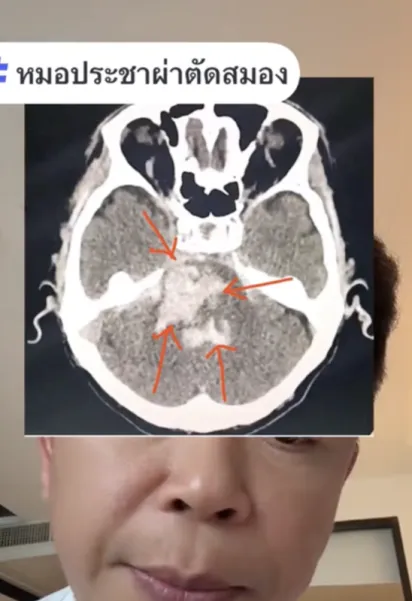
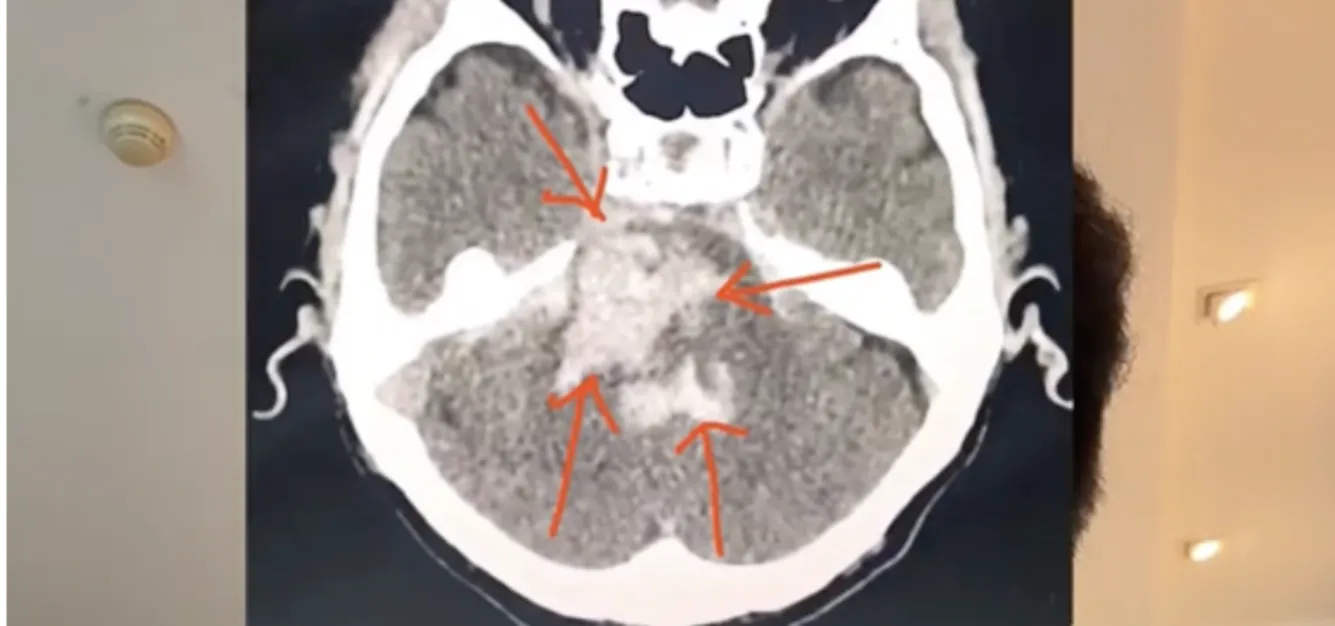
A CT scan revealed a massive hemorrhage in the brainstem, a vital structure responsible for controlling the body's basic functions. The diagnosis led to a difficult decision for his family and his newlywed wife. Doctors offered two options: 1) fight aggressively through surgery to relieve pressure on the brain, despite a very high likelihood of permanent disability due to the extent of the bleeding, or 2) allow him to pass away peacefully and avoid further suffering. In the end, his family and wife chose to fight for his life, asking only that he survive. Their decision reflected the depth of their love and commitment during a moment of crisis.
Love and a Changed Reality: When “True Love Meets Paralysis”
After an intense medical battle, the patient survived and eventually returned home. During the early stages of recovery, both his parents and wife regularly accompanied him to follow-up appointments and cared for him together.
However, two years later, the emotional and social realities of long-term disability began to emerge. At his most recent appointment, only his mother accompanied him. She shared that she felt sorry for her son and encouraged her daughter-in-law to move on with her life and find happiness elsewhere. At that time, the patient was only 30 years old. His mother reassured her that she would continue caring for her son herself.
This situation was summed up by a painful yet realistic reflection on the long-term impact of disability: “Even true love can be defeated by paralysis.” While love and determination may be strong at the beginning, the burden of caring for a bedridden patient and the realities of a drastically changed life can challenge even the strongest relationships over time.
Prevention: The Most Powerful Weapon Against Stroke
This case of a young patient who suffered paralysis due to undiagnosed high blood pressure serves as a reminder that stroke can affect anyone, regardless of age.
According to Dr. Pracha, stroke is largely preventable if people recognize the risks and follow two key recommendations to avoid becoming disabled or bedridden themselves—or seeing a loved one face the same fate:
1. Risk Factor Control: This is the most important step. Even if you currently feel healthy, you should carefully manage major risk factors such as diabetes, high blood pressure, high cholesterol, obesity, and chronic stress, while avoiding alcohol and smoking. It is important to understand that these conditions can develop in young adults without obvious symptoms, just as they did in this 29-year-old patient who was unaware that he had hypertension.
2. Regular Exercise: Consistent physical activity helps keep blood vessels healthy, flexible, and functioning properly.
If you truly care about someone, encouraging them to exercise and manage their health risks may be one of the most meaningful expressions of love. Do not wait until stroke affects someone you love—or yourself. In both social and physical reality, “even true love can be defeated by paralysis.” Prevention remains the best way to protect health, preserve quality of life, and maintain lasting happiness.