
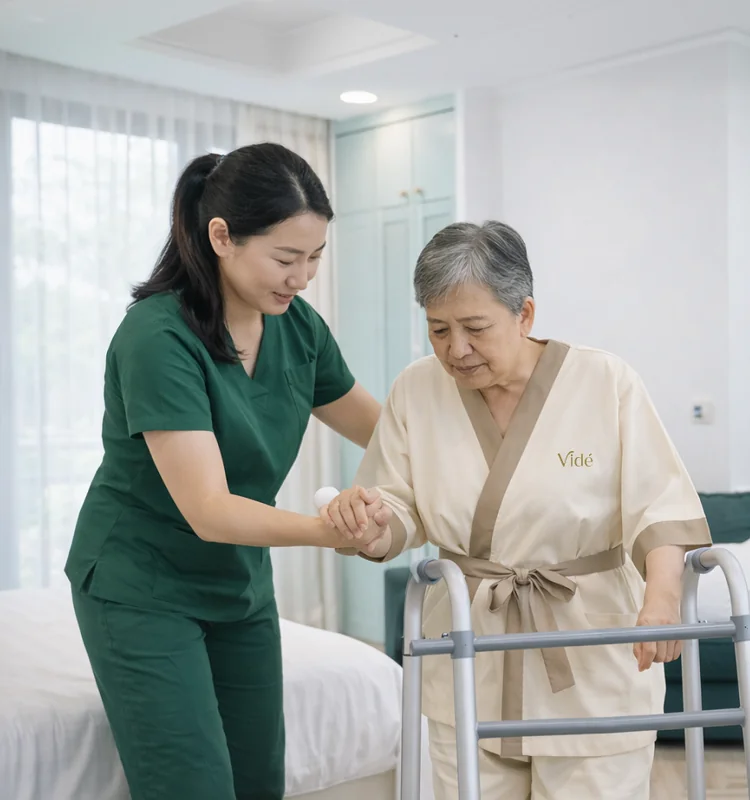
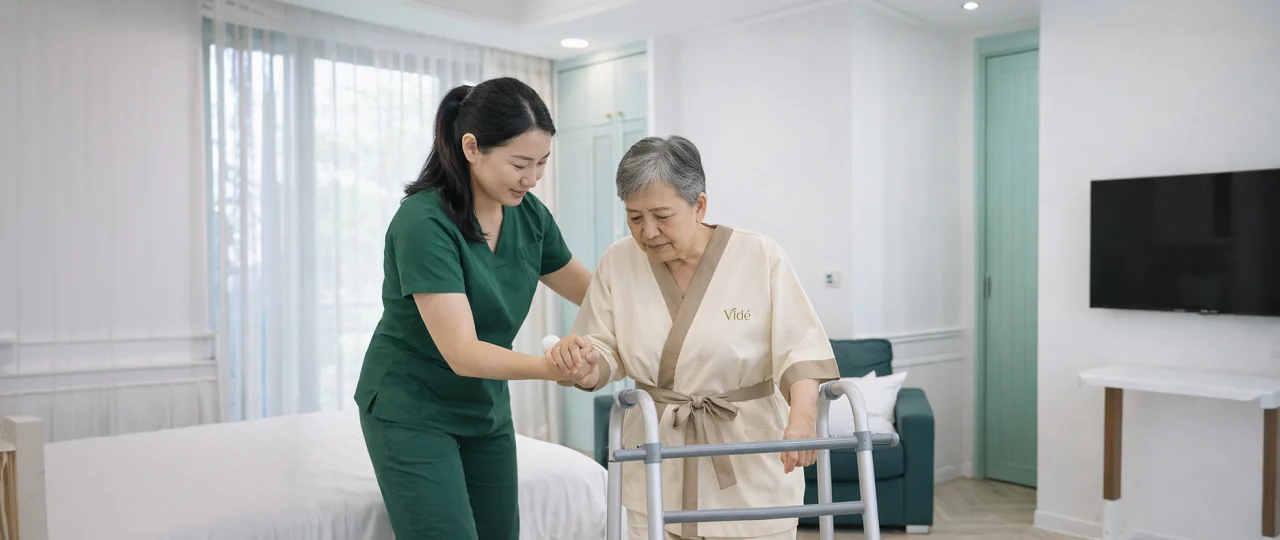
True rehabilitation is not simply about regaining movement, but about helping patients return as closely as possible to the life they once knew.
The golden period of rehabilitation is within the first 6 to 12 months, when the brain still has a strong ability to adapt and form new neural connections. For this reason, we provide intensive and individualized rehabilitation approaches tailored to each patient, in order to accelerate physical recovery.
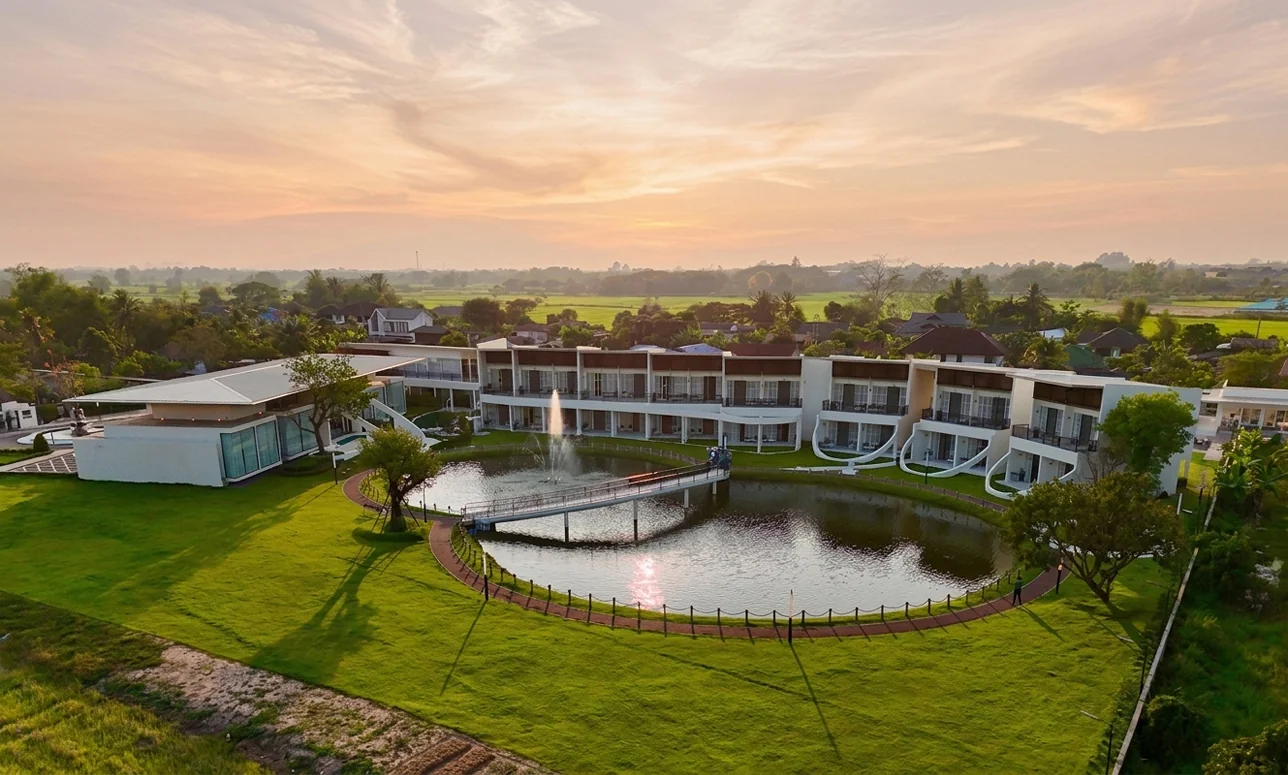
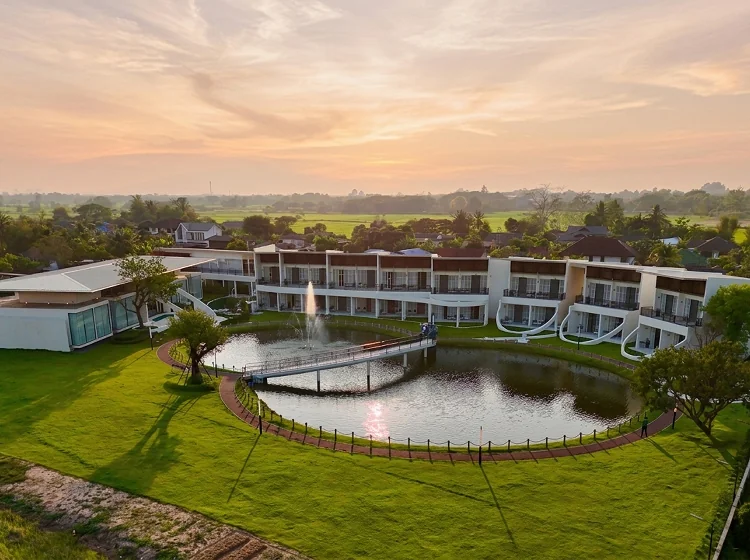
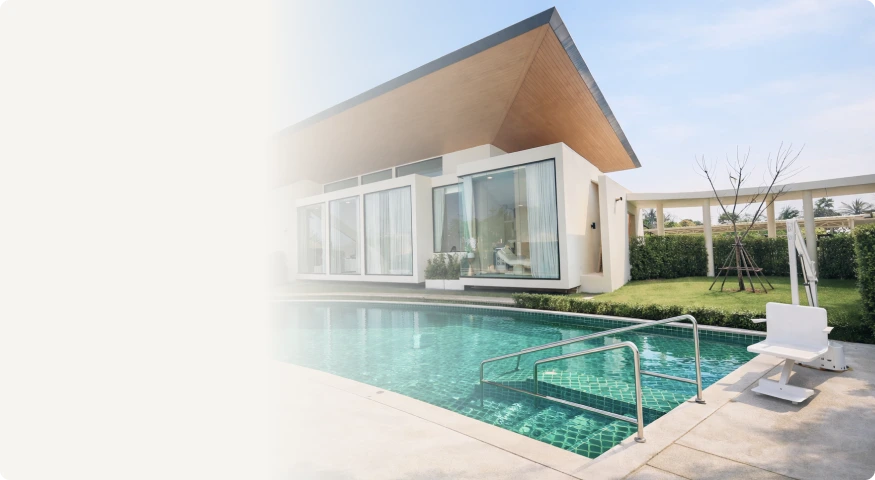
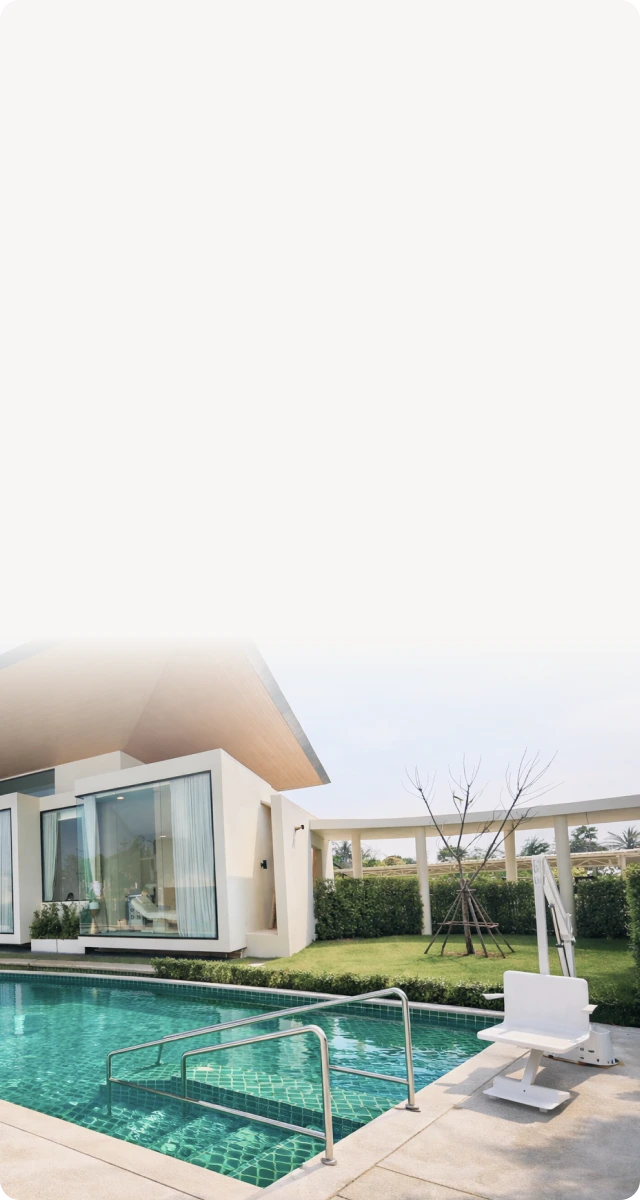
We intentionally designed our hospital to be surrounded by mountains and rice fields, allowing patients to begin each day with the gentle morning sunlight. This helps stimulate serotonin production, support emotional balance, and reduce depression, so that healing can take place not only in the body, but also in the mind.
Rehabilitation Program
Expert Care
Patient’s recovery
Patient recovery requires more than medical knowledge. It also requires experience, careful judgment, and a deep understanding of each patient’s condition.
Beyond professional standards, we place great importance on selecting specialists with direct experience in rehabilitation care.
Our team has cared for patients with similar conditions before, giving them a clear understanding of physical limitations, recovery potential, and the emotional challenges patients may face during rehabilitation. This allows our specialists to design safe, structured, and individualized care and recovery plans tailored to each patient’s condition.
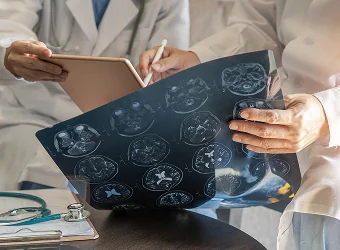
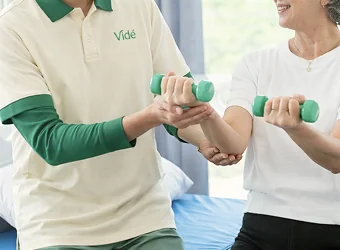
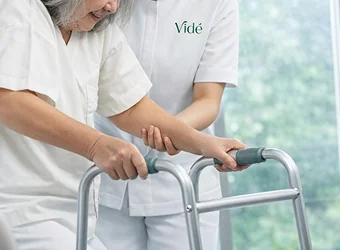
Rehabilitation is not simply walking practice or exercise.
It is a process that helps the brain and body work together again in movement, swallowing, daily activities, and confidence in using the body.
True recovery is not only about overcoming illness. It is about returning to life.
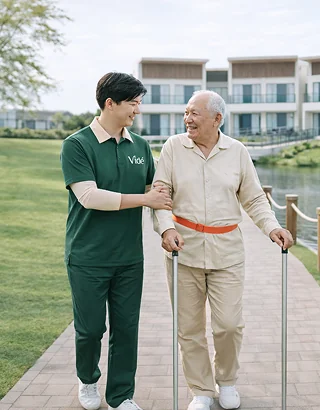
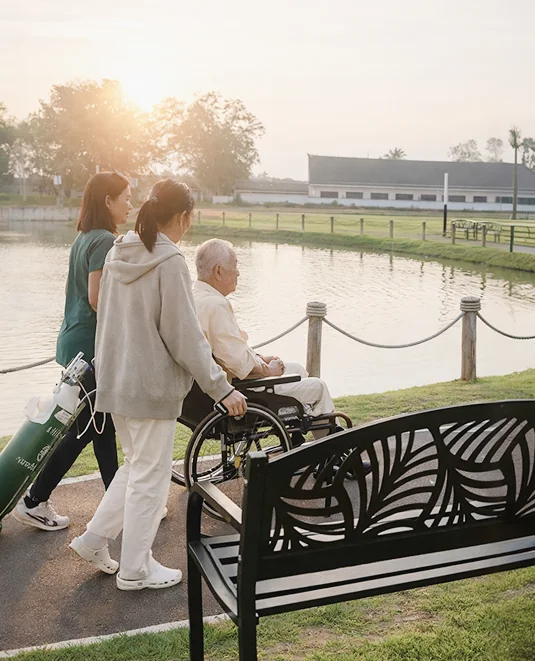
“ Every rehabilitation activity is an important step in helping each patient gradually regain their potential and confidence in daily life. ”
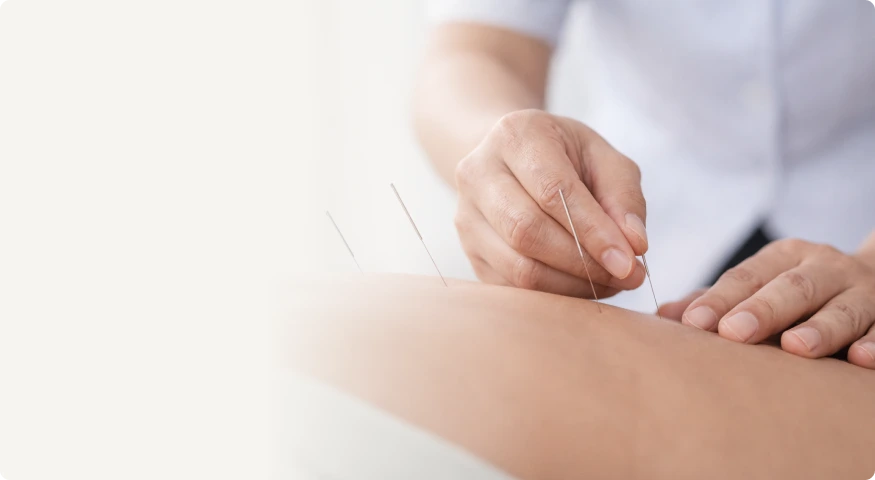
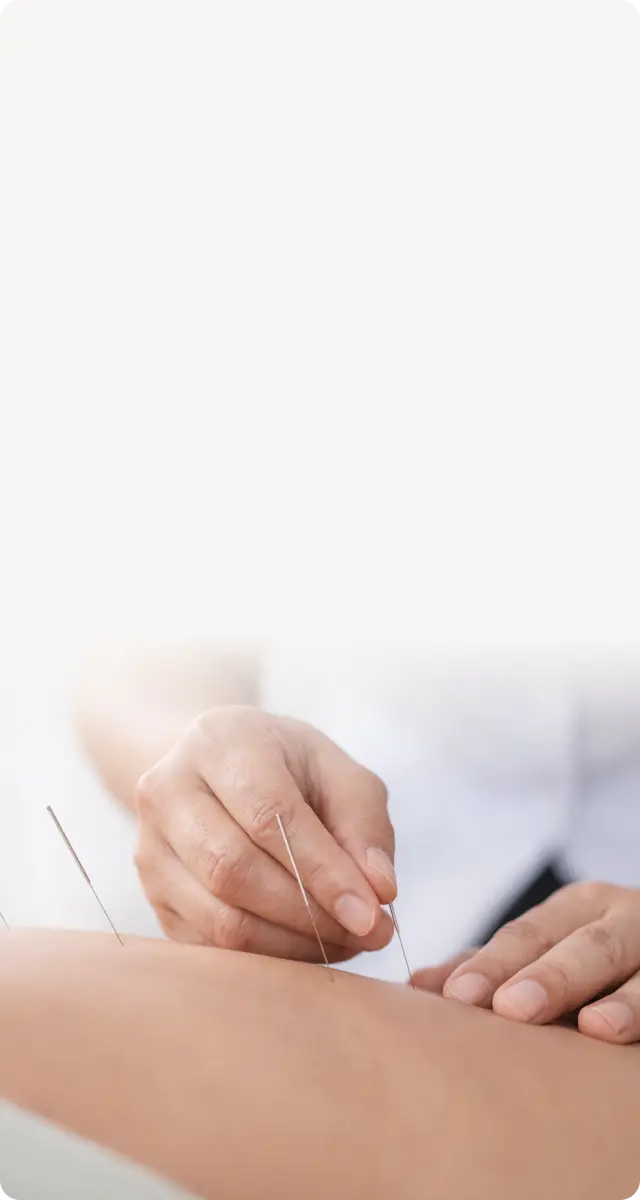
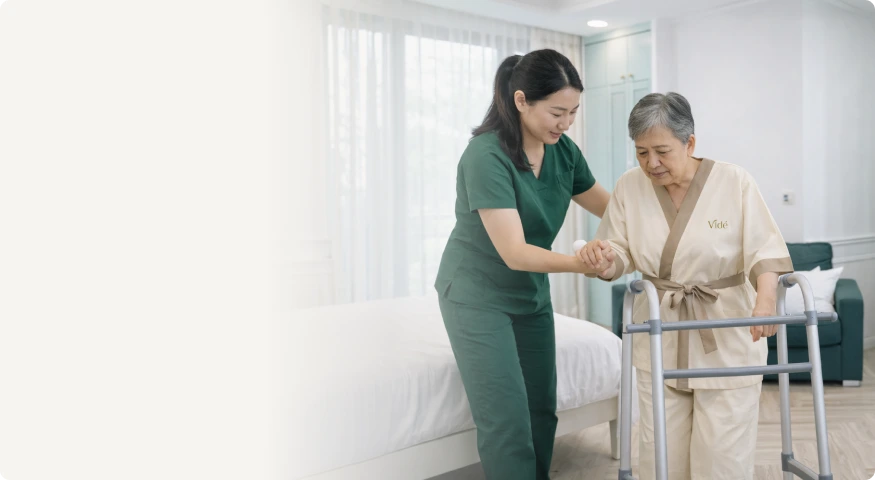
At Vidé, we integrate a wide range of rehabilitation technologies and approaches to create comprehensive care programs for patients in recovery, including post-surgical patients, neurological patients, and those with mobility limitations, helping ensure that recovery is both safe and effective.

As the body recovers, the mind also needs care.
At Vidé, we do not focus solely on physical strength. We also prioritize emotional recovery, because meaningful healing must take place in both body and mind.
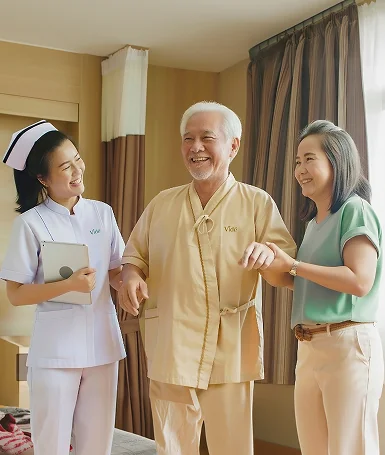
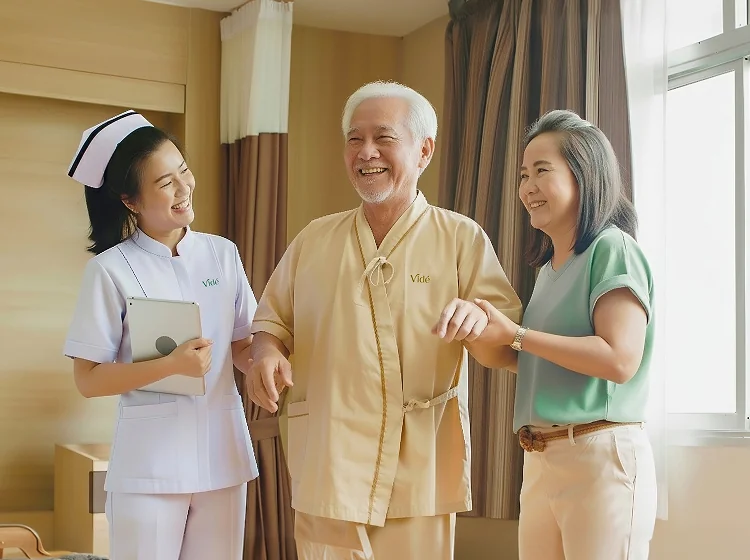
Recovery is not only physical. At times, illness and the rehabilitation journey can leave patients feeling anxious, fatigued, or disconnected from the life they once knew.
At Vidé, we place equal importance on emotional recovery alongside physical care through the experience of daily living itself. Spending time in nature, connecting with others, and finding quiet moments with oneself may seem simple, yet these meaningful experiences can help restore encouragement, rebuild confidence, and gently prepare patients to return to life beyond recovery.

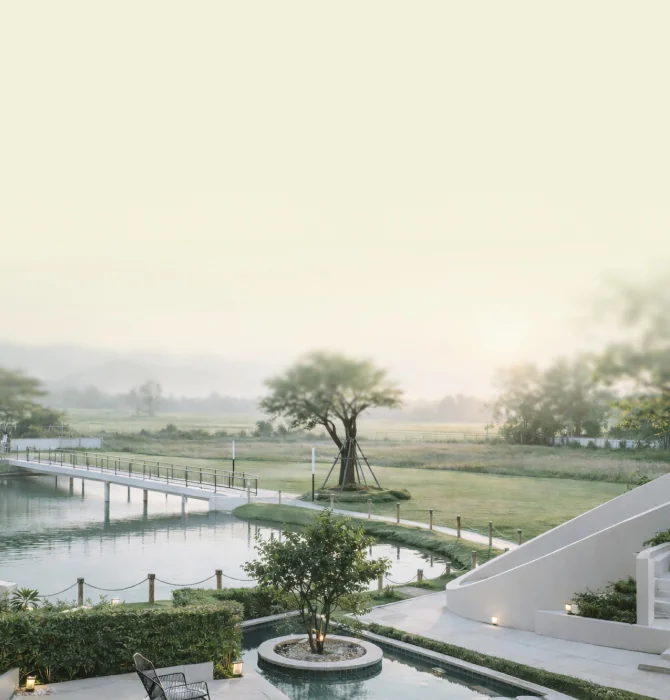
Nature Restores the Mind
Fresh air, mountain views, trees, and open skies help create a calm and restorative environment.

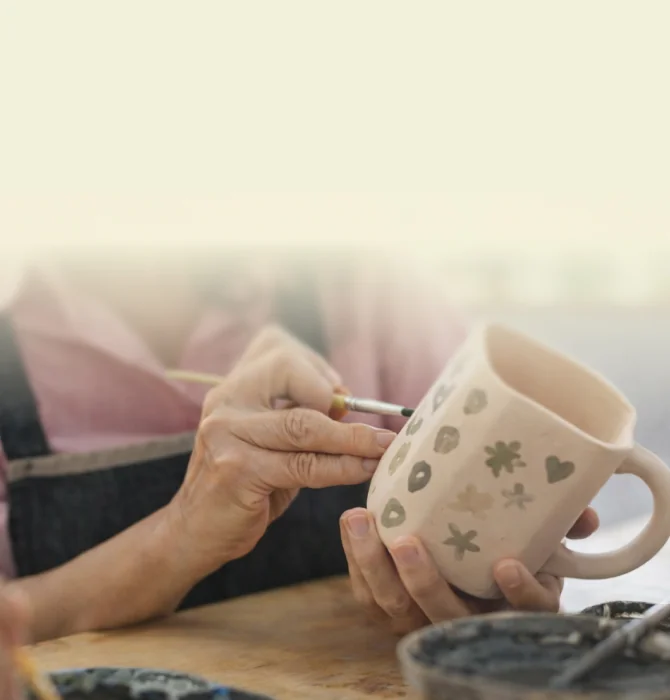
Connection with People and Community
Small community-based activities, such as workshops and creative sessions, help patients feel socially connected again.


Moments of Peace
Quiet time for prayer, merit-making, or meditation helps patients relax emotionally and regain inner strength during recovery.
“ Because true recovery is not only about walking again — it begins the moment a person feels ready to live fully once more. ”
Rehabilitation Technology
Modern physical rehabilitation no longer relies solely on traditional therapy alone. Advanced medical technologies play an important role in supporting the function of the brain, nervous system, and muscles.
At Vidé, we integrate a range of rehabilitation technologies with physical therapy to help stimulate the nervous system, assess body balance, and support precise movement training. These technologies allow rehabilitation to work across multiple levels, from the brain and nervous system to the muscles and overall body movement.
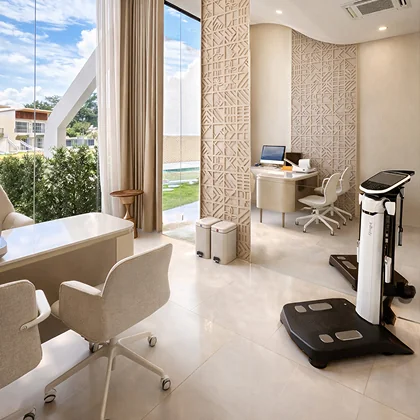
Body Composition Analysis
InBody
Deep Stimulation for the Nervous System and Muscles
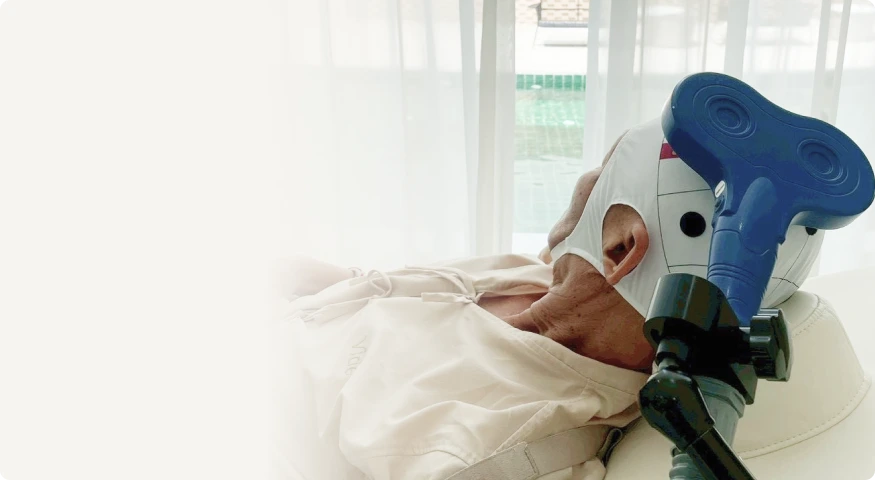
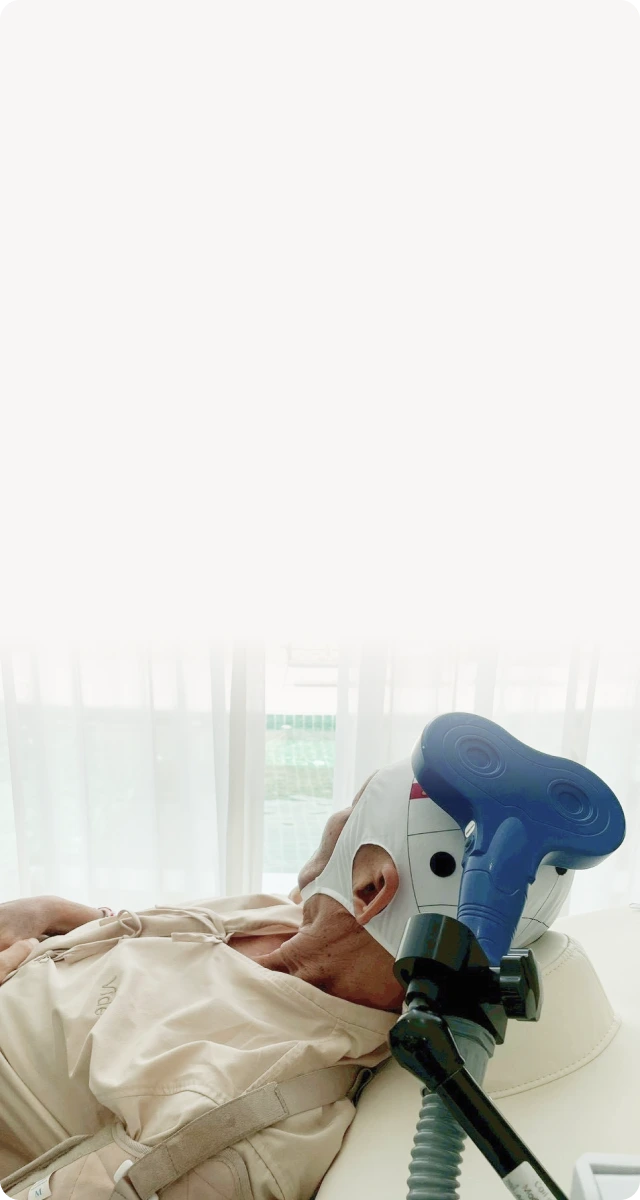
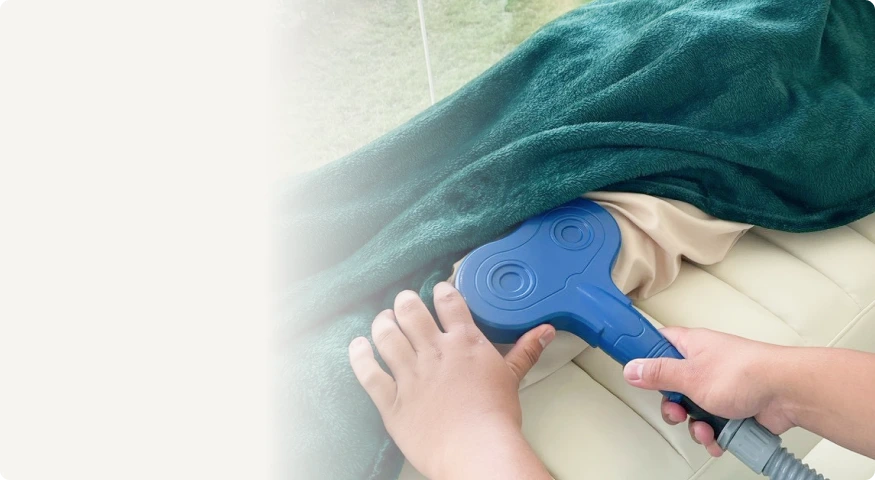
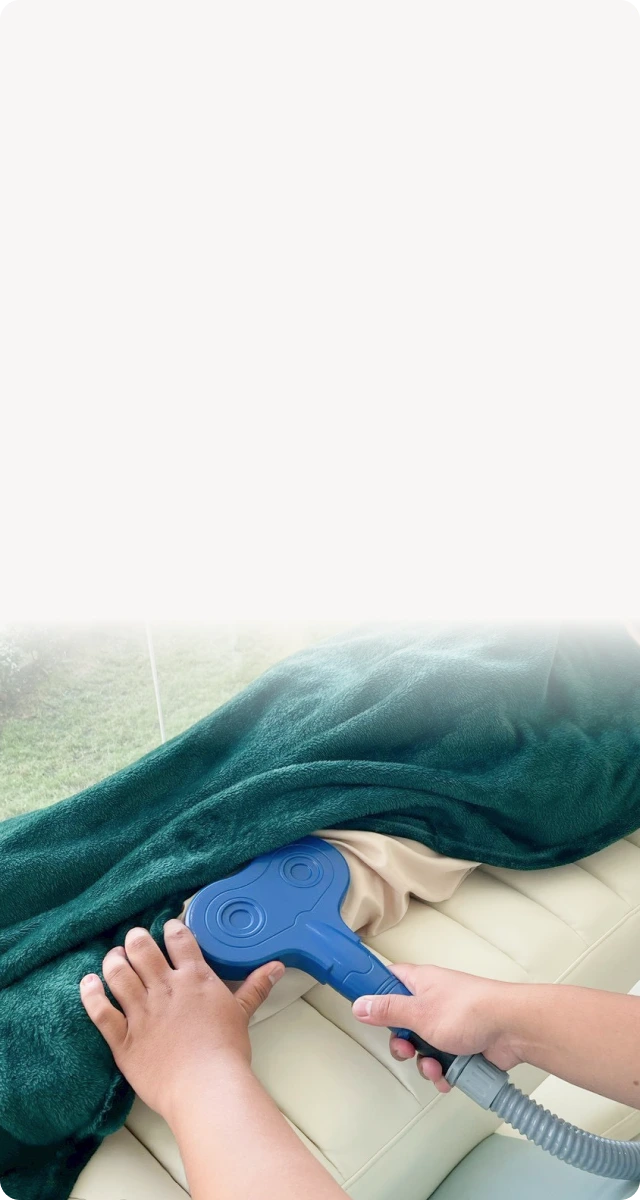
TMS & PMS
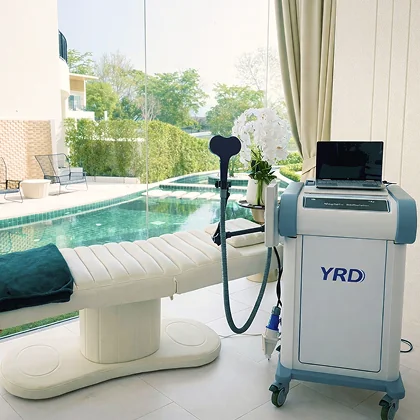
Magnetic stimulation for the nervous system and muscles
Magnetic stimulation therapy can penetrate body tissues without the need for electrodes attached to the skin. It helps stimulate the function of the nervous system in both the brain and peripheral nerves, while also reaching deep muscle layers.
Patients usually experience little to no pain during treatment, with only a slight sensation of muscle movement.
The therapy helps stimulate the function of the nervous system and muscles, supporting the restoration of strength and body movement.
A non-surgical technology Does not require anesthesia.
Treatment sessions are brief and can be integrated with other rehabilitation programs.
Robotic-Assisted Hand Movement Training
Robotic Hand Rehabilitation
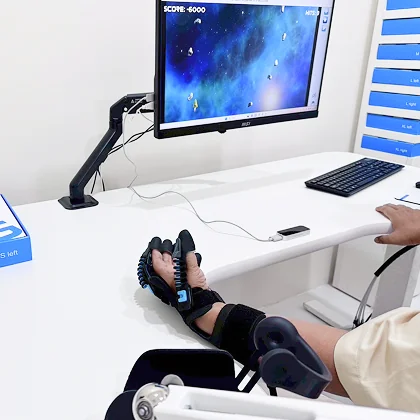
This robotic-assisted system is designed to support and guide hand and finger movement. It enables patients to perform repetitive movement training with consistency and precision.
Such repetitive training is an important factor in stimulating the nervous system and helping the brain relearn how to control hand movement. This approach can improve the chances of restoring grasping ability and functional hand use in daily life.
Cold Therapy for Muscle Recovery
Cryotherapy
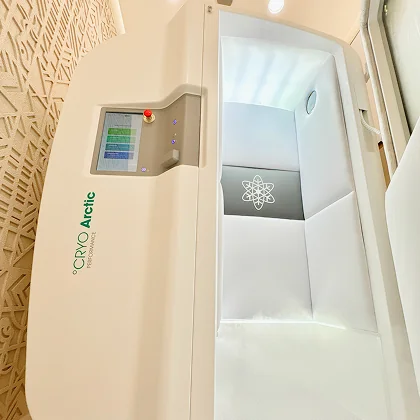
Cold exposure helps reduce blood flow to inflamed areas.
Lessen pain signals from the nervous system, and support faster muscle recovery after training.
A non-surgical technology Does not require anesthesia
Treatment sessions are brief and can be integrated with other rehabilitation programs.
Biomechanics-Based Rehabilitation Equipment
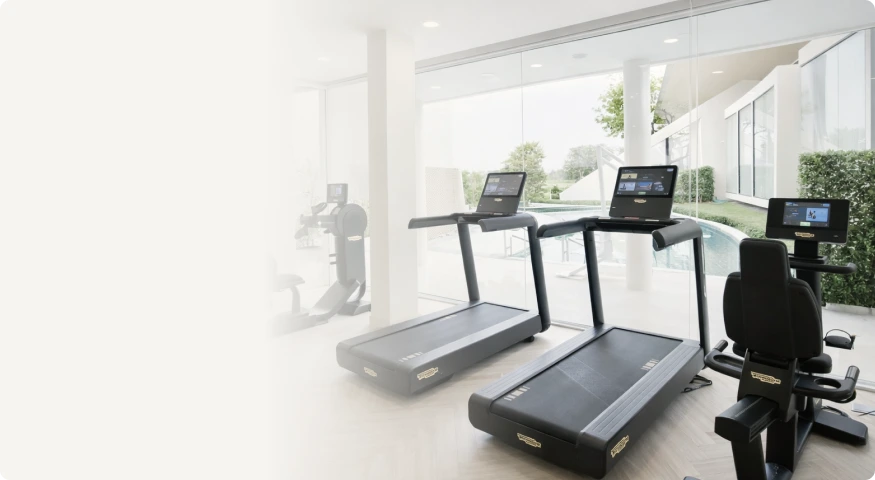
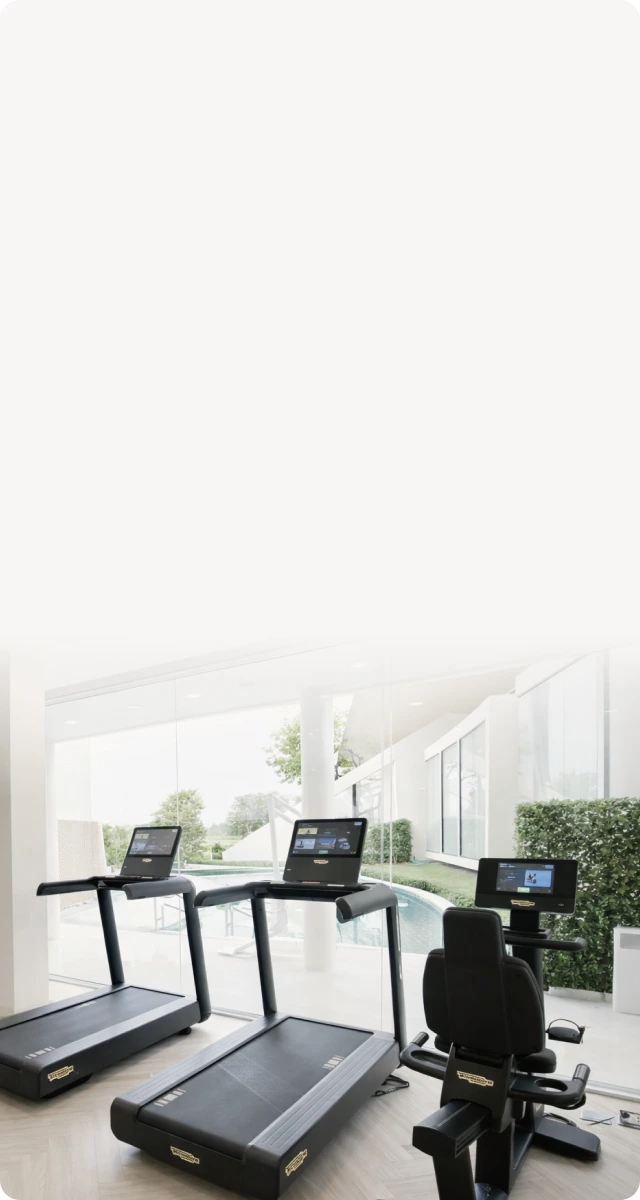
Technogym
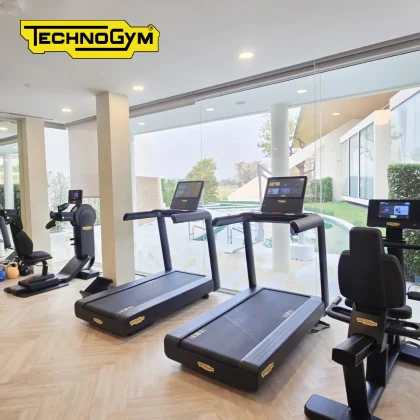
Technogym equipment is designed based on the principles of biomechanics, the science of human movement.
The system can adjust resistance levels and training formats to suit each patient’s ability at different stages of recovery.
Facilities
Patient Rooms
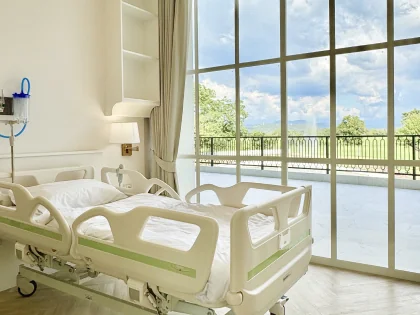
We offer two bed options: adjustable hospital beds and standard beds, allowing us to meet different care needs. Both room types are designed to support posture adjustment, compatibility with medical equipment, and comfortable rest in a relaxing environment.
Each room also includes an additional bed for a caregiver, allowing loved ones to stay close throughout the patient’s stay.
Our rooms are designed around the concept of “Feel Like Home,” helping patients feel relaxed, safe, and supported during recovery.
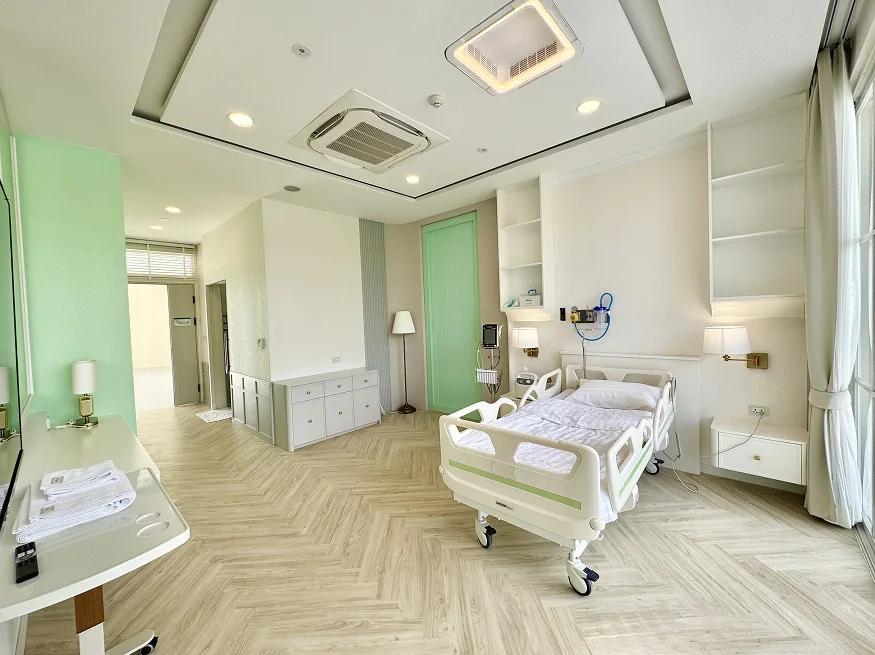
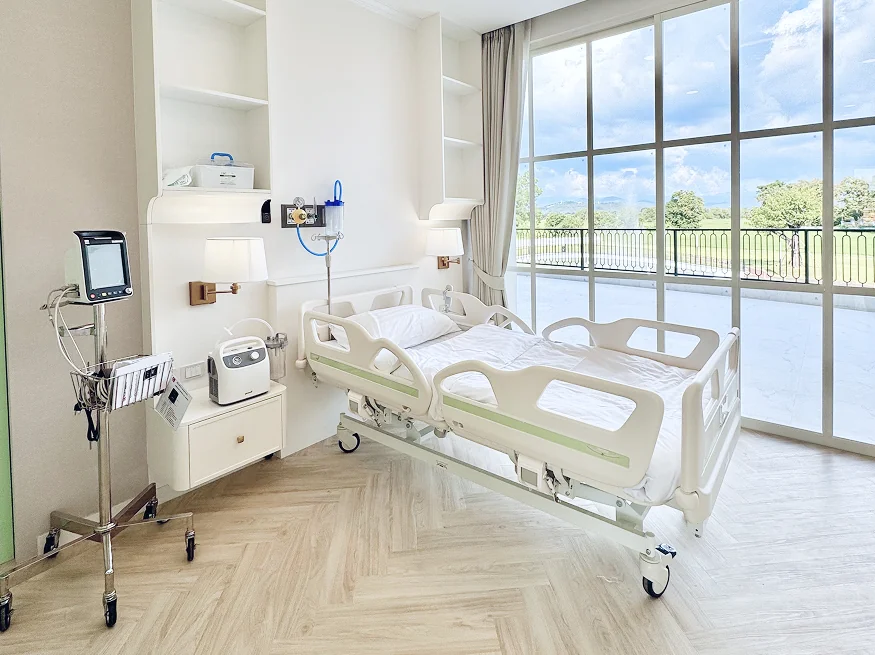
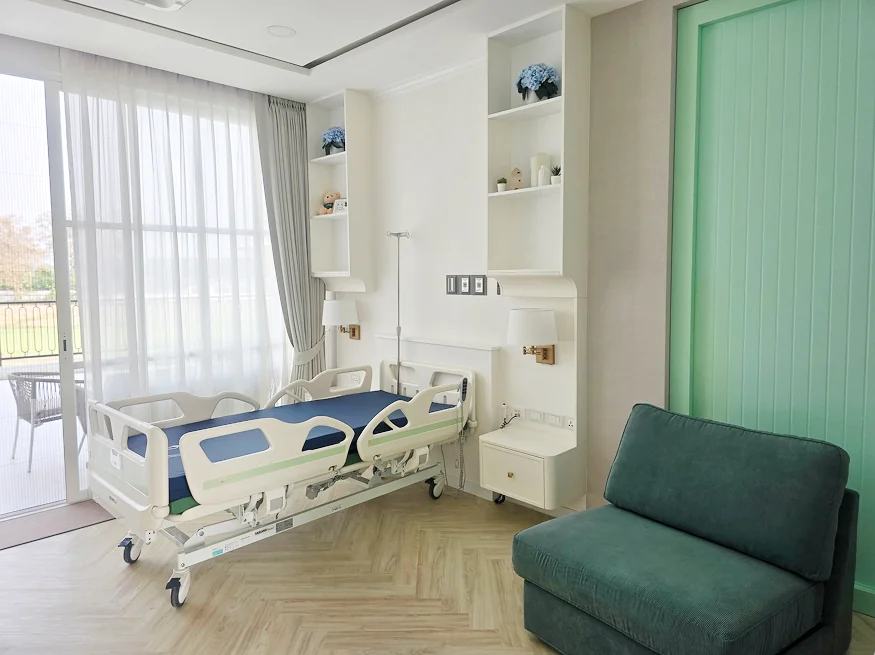
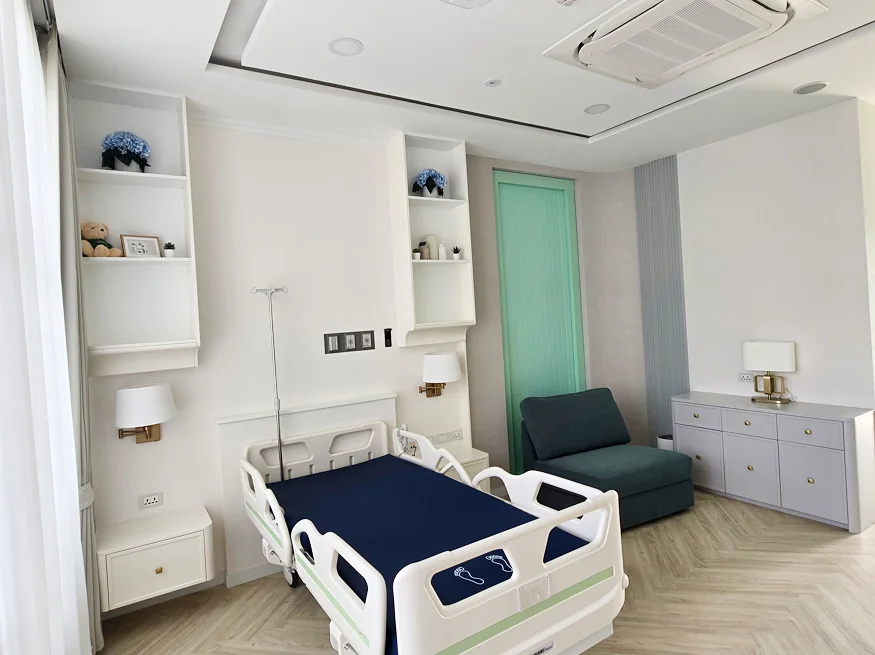
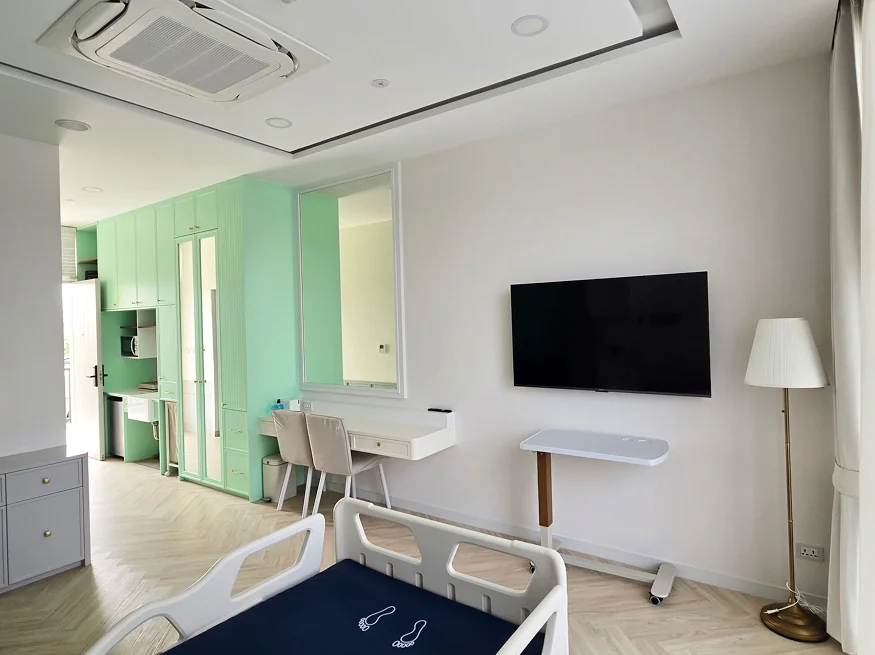
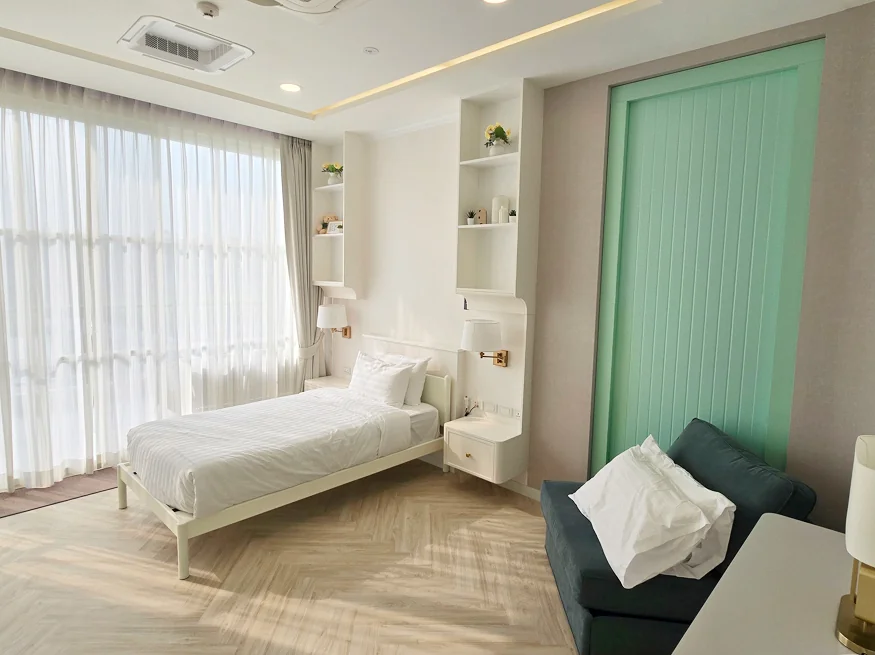
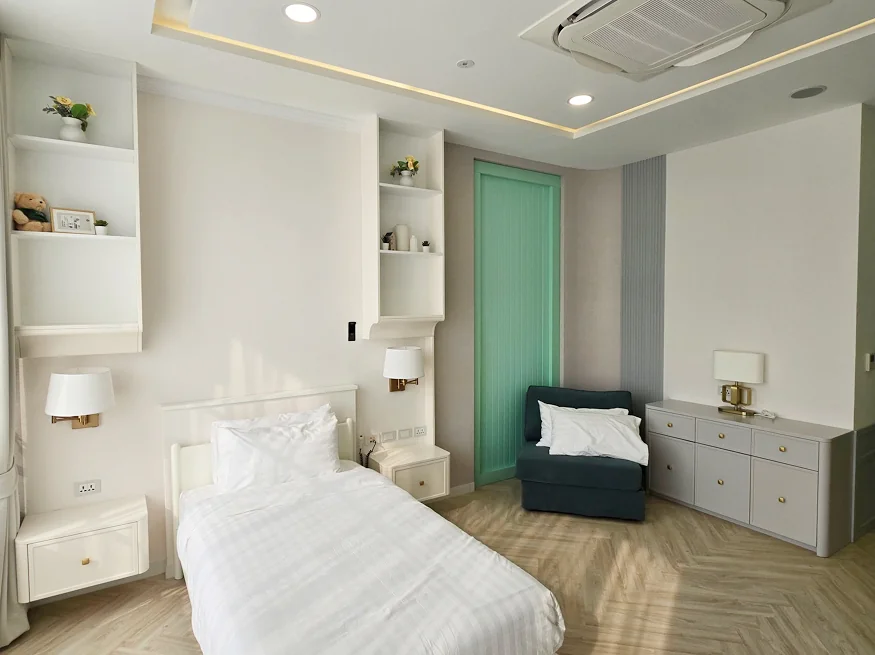
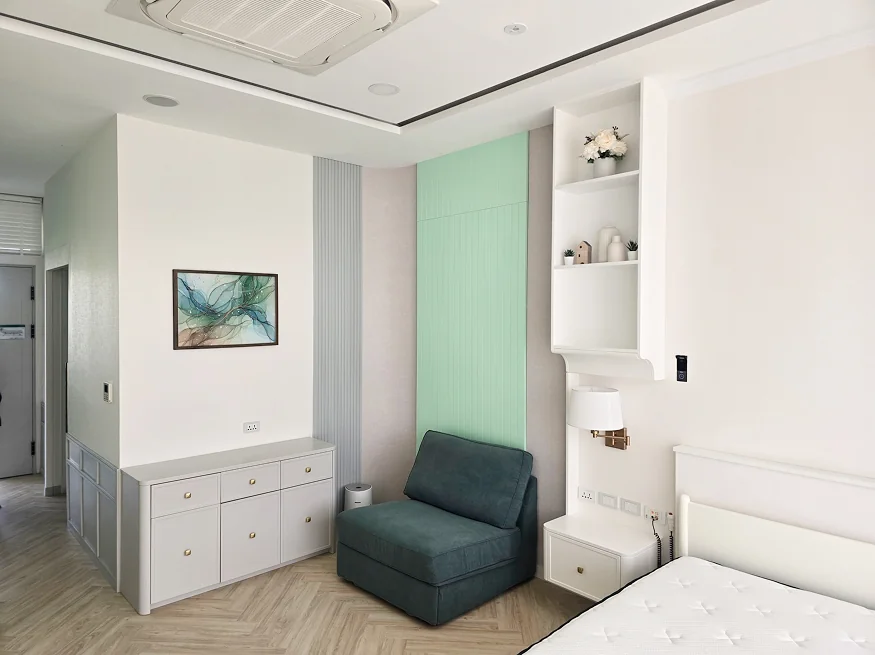
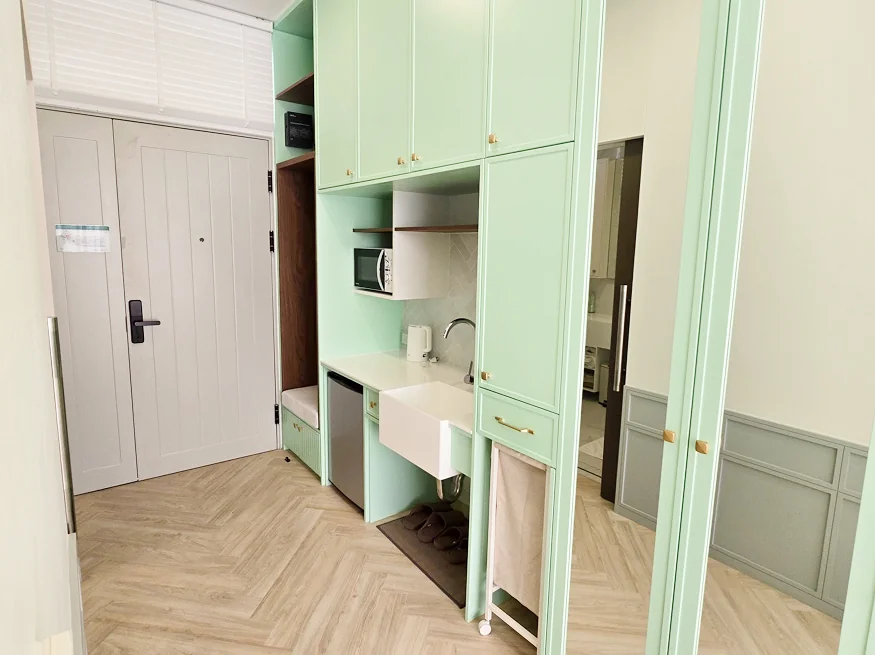
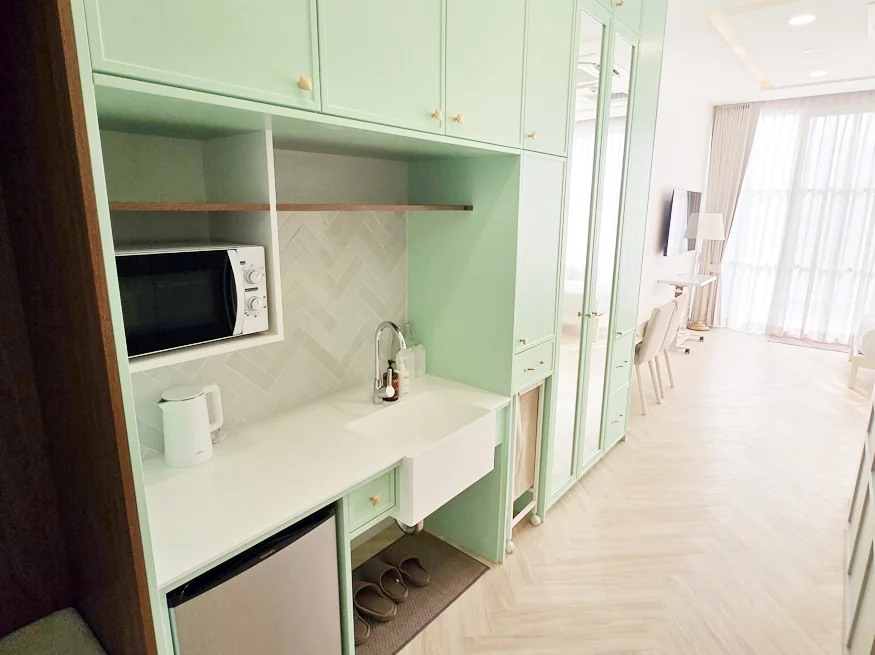
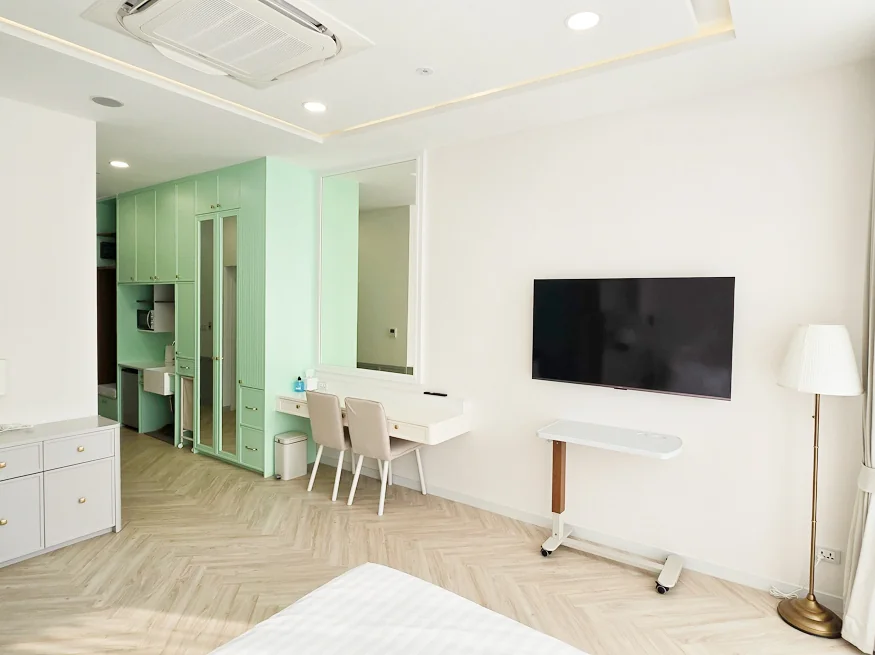
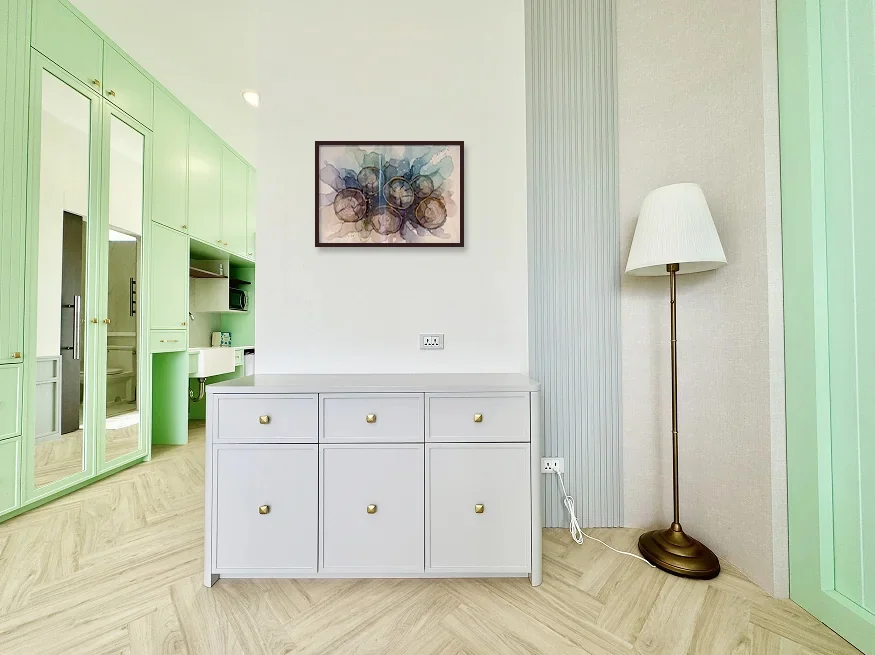
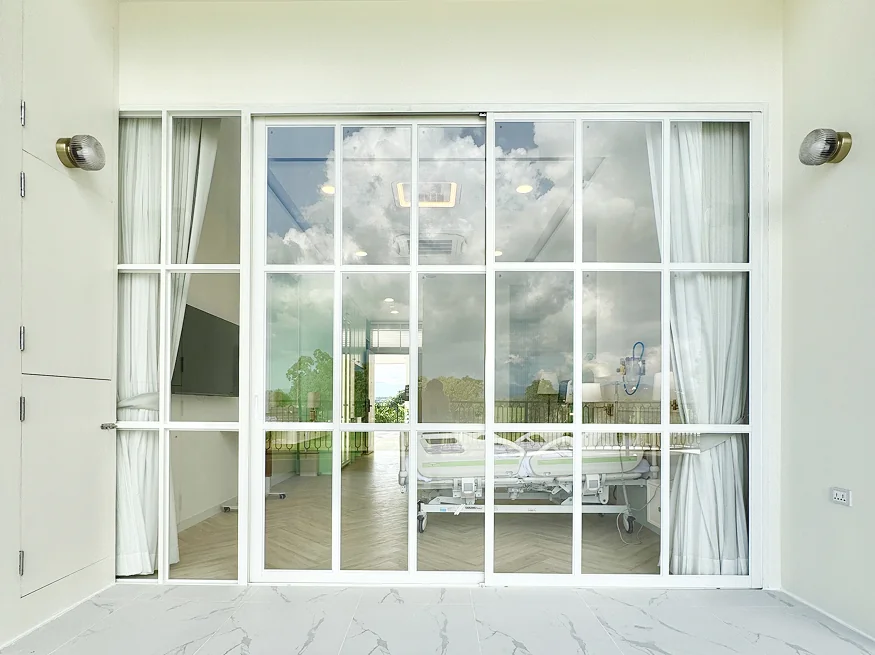
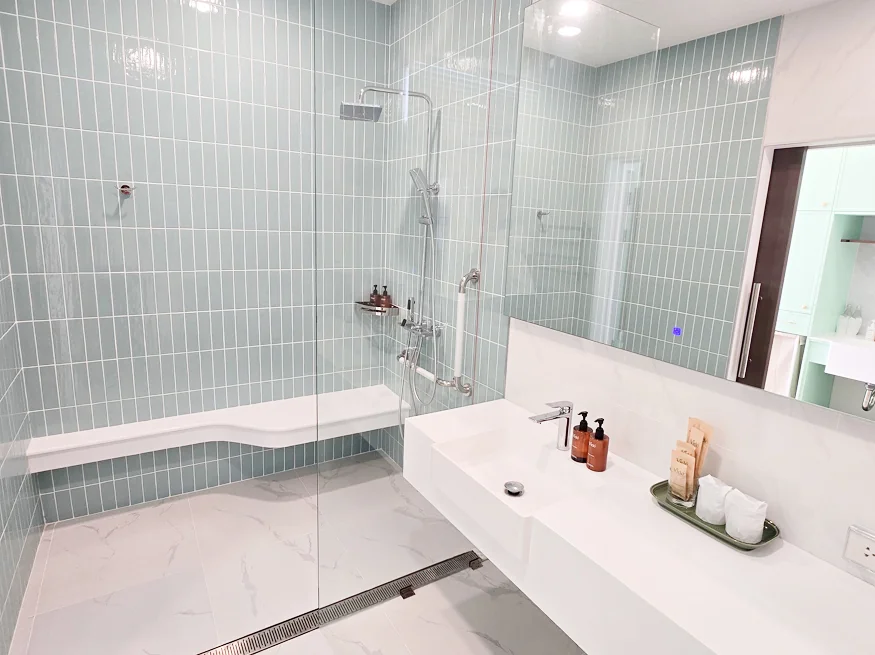
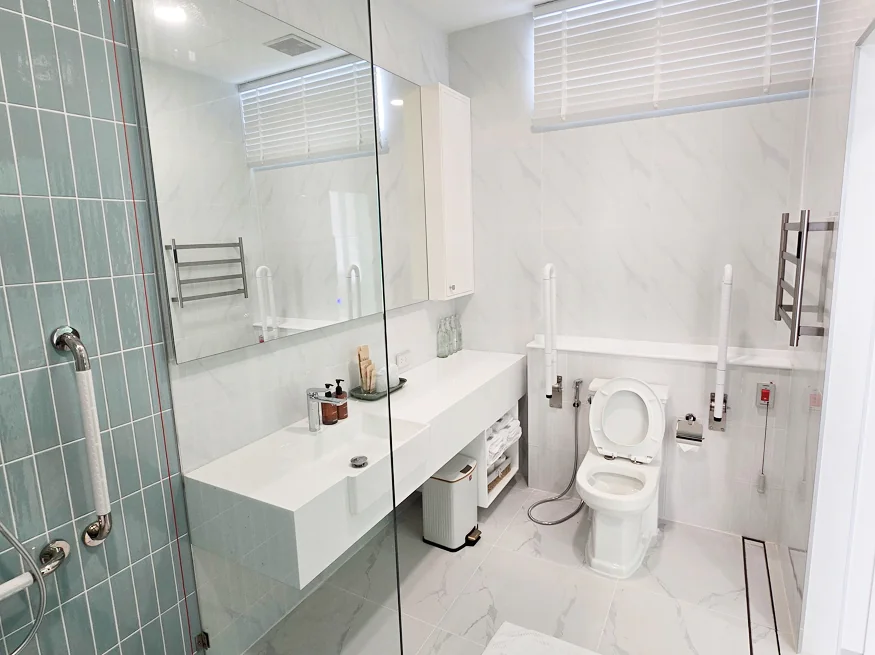
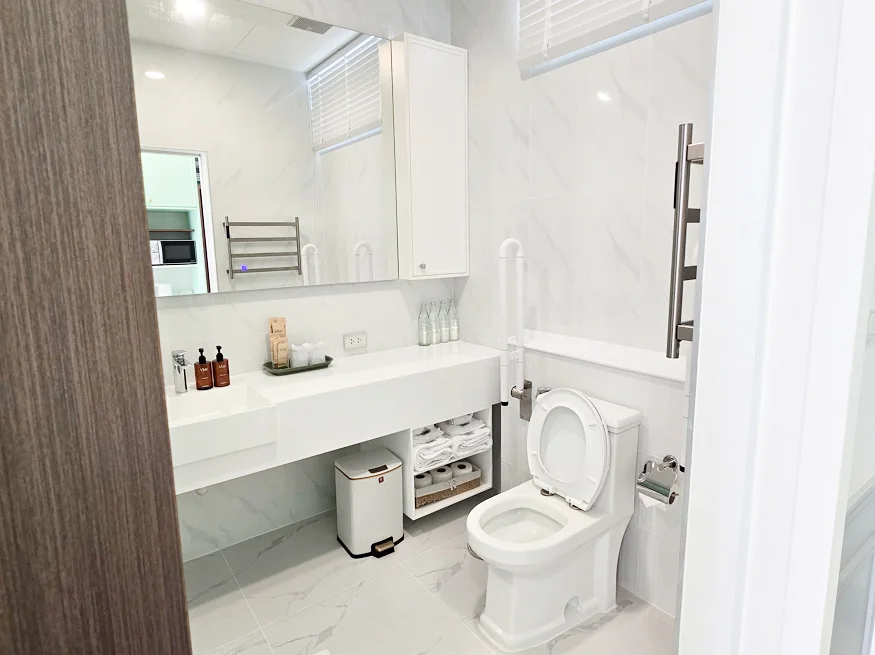
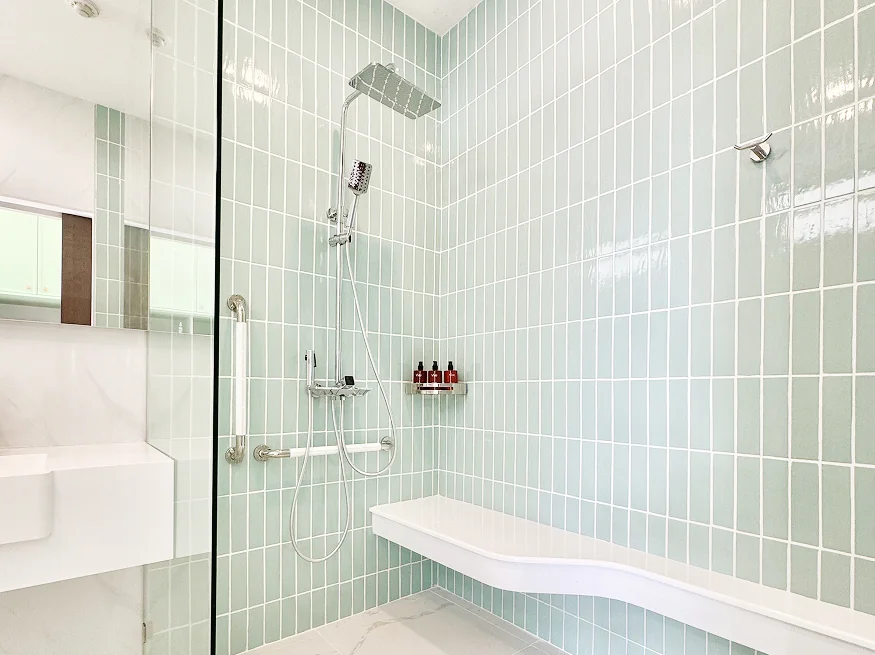

Because we believe that a warm and familiar environment can help patients feel more relaxed and confident during recovery, every element of our patient rooms has been thoughtfully designed with care, from the atmosphere and lighting to ease of use and a sense of home-like comfort. This allows patients to rest fully, while feeling safe, supported, and closely cared for throughout their stay.
Our rooms are designed around the concept of “Feel Like Home.”
They are created to help patients feel relaxed, warm, and as close to home as possible during recovery, with careful attention to ease of movement, safety, and a calming atmosphere that supports restful rehabilitation.
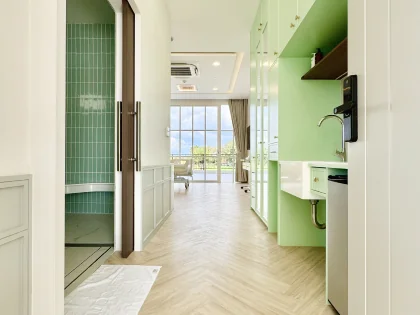
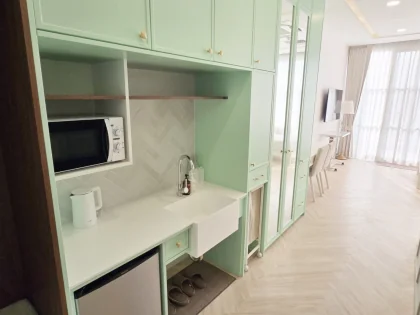
The room provides ample space for comfortable movement and daily use.
Spacious Room Layout Rooms are designed to accommodate walkers, wheelchairs, and safe in-room mobility practice.
Comprehensive Safety Features
Furniture placement minimizes fall risks
Sharp corners are avoided
Walkways are wide
Emergency call buttons are easily accessible
Close to Nature
Large windows allow natural light and scenic views, helping create a calm and healing atmosphere.
Designed for Safe Use by All
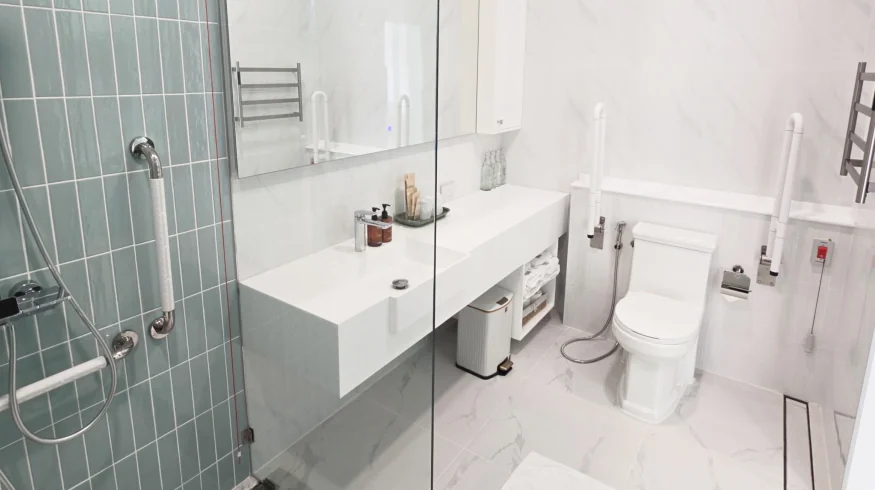
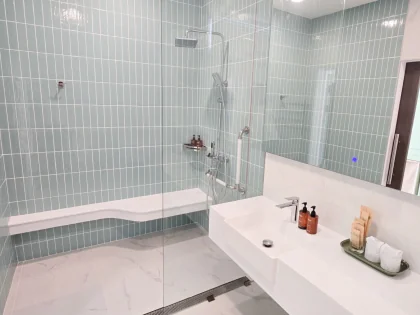
Bathrooms are designed for wheelchair and walker access, with grab bars, non-slip flooring, and emergency assistance features.
1
Level Bathroom Flooring
2
Support Grab Bars
3
Emergency Pull Cord
4
Rounded Furniture Corners
1
Level Bathroom Flooring
Designed without steps or changes in floor level to support patient mobility and reduce obstructions.
2
Support Grab Bars
Grab bars are installed beside the toilet to provide support and stability during use.
3
Emergency Pull Cord
Positioned within easy reach so patients can call for immediate assistance when needed.
4
Rounded Furniture Corners
Carefully designed to help reduce the risk of impact or injury.

Reducing the risk of falls in the bathroom with slip-resistant flooring designed to minimize water accumulation and dry quickly.
Because even small accidents in the bathroom can lead to injury, we carefully select materials and design every surface to help reduce risk as much as possible.
Nutrition
Physical recovery depends not only on treatment, but also on the food patients receive each day. Nutrition plays an important role in repairing the body, restoring energy, and supporting the rehabilitation process.
At Vidé, nutrition is an integral part of patient recovery. We therefore focus on meals that are fresh, clean, and minimally processed, so that the body receives the nourishment it needs at each stage of rehabilitation.
“ Natural ingredients, minimally prepared to preserve the nutritional value that supports the body’s recovery. ”


Fresh and Organic Ingredients
We carefully select fresh and organic ingredients and prepare them with minimal processing in order to reduce additives and preserve their natural nutritional value.
These range from liquid or soft-texture diets for patients with swallowing difficulties to soft meals that help patients gradually regain chewing function, supporting recovery in a safe and natural way.
Care Packages by Level of Support
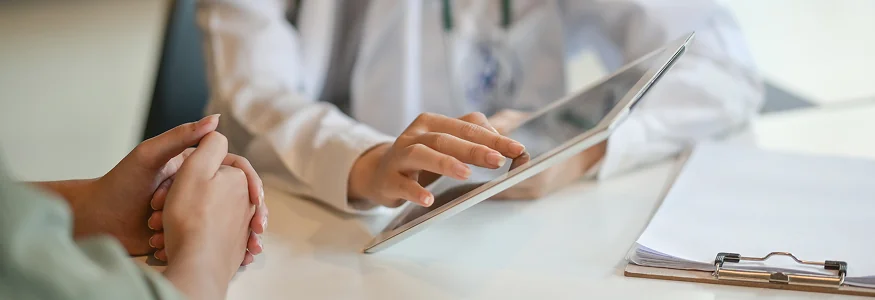
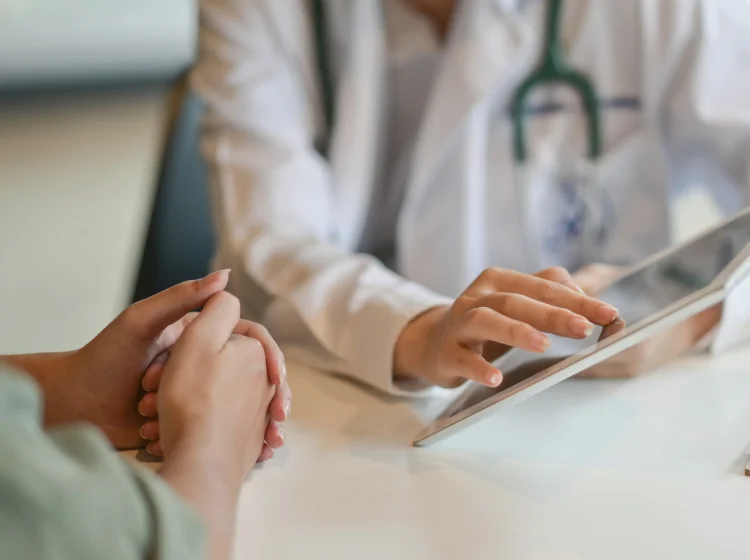
Effective rehabilitation begins with a detailed assessment by specialist physicians.
Because each patient has different symptoms, stages of recovery, and care needs.
Vidé’s medical team carefully evaluates each patient’s physical condition, mobility, and ability to manage daily activities.
Based on this assessment, we recommend the rehabilitation program or care package best suited to the patient’s condition and stage of recovery, ensuring focused and effective care throughout the healing journey.
Rehabilitation Process
Package Fees
Rehabilitation Package Structure & Pricing


Note:
All packages are recommended following specialist assessment to ensure suitability for each patient’s condition. For stays longer than 14 days but shorter than 30 days, additional daily charges will be calculated based on the 14-day package rate.
Contact Us
Our specialist team is ready to provide guidance and help you plan the most appropriate rehabilitation program.
For enquiries about treatment or rehabilitation programs, please contact us through the channels below.