
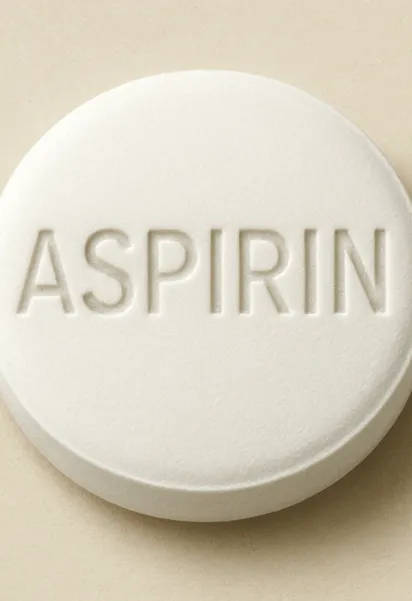
A 1-baht aspirin pill prevents serious diseases more than expected.


Many patients can achieve recurrence prevention simply by taking medications regularly as advised by their physician, especially antiplatelet drug groups such as aspirin.
Do not stop medications on your own without consulting a physician
Ischemic Stroke is one of the top causes of death and disability among Thai people. It is usually caused by the brain's blood vessels being blocked by blood clots, resulting in insufficient blood supply to the brain. If not treated in a timely manner, it can lead to paralysis or death.
A real patient example
A 75-year-old man with a history of ischemic stroke was still able to live a normal life, but he decided to stop taking his aspirin due to anxiety after someone told him that "this medication makes blood vessels thin and increases the risk of rupture."
A few hours later, he developed half-body weakness, slurred speech, and was rushed for emergency treatment. Ultimately, he required a complex treatment like stent placement (Stent) in the brain's blood vessel, with costs hundreds of thousands of times higher than a 1-baht pill. This is an example that emphasizes that "stopping medication on your own can lead to life-threatening danger."

The truth about aspirin medication
Aspirin is a long-used medication to prevent blood clot formation.
The mechanism is to inhibit blood platelet aggregation, allowing blood to circulate better and reducing the chance of blockages in brain and heart blood vessels.
Side effects may include stomach irritation or easier bleeding, but generally, the risk from stopping medication on your own is more severe than the side effects.
Patients should consult a physician every time before adjusting, reducing, or stopping medications.
Why shouldn't you stop medication on your own?
Increases the risk of disease recurrence – within a few days or even a few hours after stopping medication.
More severe disease than before – permanent paralysis, loss of the ability to speak or walk.
Higher financial burden – emergency treatments or complex surgeries carry a high price.
Impacts the family and quality of life – caring for a bedridden patient requires significant resources and time.
How to prevent ischemic stroke
Strictly take medications as ordered by the physician
Control blood pressure, sugar, and lipids
Abstain from smoking and reduce alcohol consumption
Exercise regularly
Eat healthy food; reduce salty, fatty, and sweet options
Undergo an annual physical checkup
A 1-baht aspirin pill prevents serious diseases more than expected. Taking medication as prescribed by a physician is the true protection against stroke. Do not stop medication on your own without advice from a physician, because it might be traded with your “life.”